

Practical CX Tools and Strategies to Grow Your Small Business
Today’s market rewards businesses that put customer experience (CX) first. The right CX approach improves satisfaction, builds loyalty, and fuels growth. This article breaks down the practical tools and strategies small businesses can use to strengthen customer relationships, fix common pain points, and measure what matters. You’ll find tool recommendations, actionable tactics, and clear metrics to help your business deliver better experiences—consistently.
Tools for Customer Experience Enhancement
Small businesses can tap a range of tools to simplify interactions and gather the insights needed to improve service. These platforms help you listen to customers, respond faster, and make smarter decisions.
- Customer Feedback Platforms: Collect and analyze feedback quickly so you can spot trends and prioritize improvements.
- Help Desk Software: Centralize support requests and speed up response times to keep customers satisfied.
- Analytics Tools: Track behavior and engagement to understand how customers use your products or services and where to optimize.
Using these tools creates a more responsive, customer-focused operation—one that reacts to real feedback and drives better outcomes.
Strategies for Driving Growth and Satisfaction

To raise customer satisfaction and support growth, focus on practical strategies that center on customer needs and trust-building.
- Gathering Regular Feedback: Ask customers for input on a routine basis so you can respond quickly and make targeted changes.
- Mapping the Customer Journey: Chart key touchpoints to remove friction and create smoother experiences from discovery to post-purchase.
- Building Trust and Authenticity: Be clear, honest, and consistent—real connections keep customers coming back.
These approaches help small businesses create memorable, repeatable experiences that boost loyalty and revenue.
Metrics to Measure Success
Measuring CX performance makes it possible to track progress and prove impact. Focus on a few reliable metrics that reflect customer sentiment and retention.
- Customer Satisfaction Scores (CSAT): Measures satisfaction after a specific interaction, helping you pinpoint what worked and what didn’t.
- Net Promoter Score (NPS): Gauges overall loyalty by asking how likely customers are to recommend you to others.
- Customer Retention Rates: Shows how well you keep customers over time and flags where you might be losing them.
These metrics give you a clear, actionable view of how CX initiatives affect your business.
Knowing how to measure customer experience is essential for understanding its effect on growth and performance.
Measuring Customer Experience for Business Performance
This research examines how customer experience management (CEM) can be quantified and how different CEM dimensions affect business outcomes.
Customer experience management and business performance, L Grønholdt, 2015
What Are the Best Customer Experience Tools for Small Businesses?
Certain tools stand out for ease of use and measurable impact. Here are reliable options to consider:
- SurveyMonkey: Quick to set up and effective for collecting structured feedback.
- Zendesk: Robust help desk features that simplify support and improve response consistency.
- Google Analytics: Deep insights into web behavior that help you optimize online touchpoints.
Combined, these tools give you feedback, service operations, and analytics—three pillars of stronger CX.
How Can Customer Feedback Strategies Improve Your Business?
Regular, well-designed feedback programs help small businesses learn and act faster. They enable you to:
- Identify Areas for Improvement: See where customers struggle and prioritize fixes that matter.
- Act on Feedback: Close the loop by implementing changes and communicating them to customers.
- Foster Continuous Improvement: Make feedback part of how your team operates so improvements compound over time.
Prioritizing feedback turns customer input into real service and product gains.
Which Digital Tools Help Map the Customer Journey Effectively?
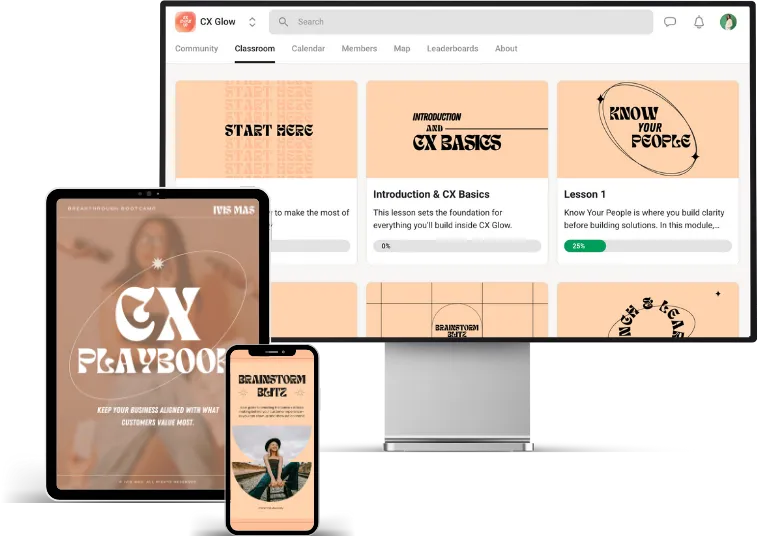
Customer journey mapping helps you see how customers move through your brand. Useful tools include:
- Lucidchart: Create clear journey diagrams to visualize customer interactions.
- Smaply: Map experiences and highlight touchpoints that need attention.
- Miro: Collaborate with your team in real time to refine journeys and ideas.
These platforms help teams align around customer pain points and design better experiences.
How Do You Boost Small Business Customer Retention with CX Strategies?
Retention improves when CX is intentional. Key practices include:
- Gathering Regular Feedback: Use feedback to adapt offerings and service quickly.
- Mapping the Customer Journey: Fix friction where it matters most to reduce churn.
- Building Trust and Authenticity: Reliable, honest interactions encourage repeat business.
Apply these tactics consistently to raise retention and lifetime customer value.
What Techniques Build Strong Customer Loyalty and Repeat Business?
Strong loyalty comes from listening, consistency, and thoughtful incentives. Effective techniques include:
- Understanding Customer Needs: Keep conversations open so you can meet changing expectations.
- Automating Retention Efforts: Use automation to send timely follow-ups and reminders without losing the personal touch.
- Implementing Loyalty Programs: Reward repeat behavior to make customers feel valued and encouraged to return.
When combined, these techniques deepen relationships and boost repeat purchases.
Targeted efforts like these reliably lift loyalty and improve profitability over time.
Boosting Small Business Loyalty & Retention
Investments in service quality tend to improve loyalty, retention, and profitability. This finding is supported by evidence from small business banking relationships in the UK.
The Impact of Service Quality and Service Characteristics on Customer Retention: Small Businesses and their Banks in the UK1, CT Ennew, 1996
How Does Customer Journey Mapping Enhance Retention Rates?
Mapping the journey helps retain customers by revealing where to act. It enables you to:
- Identifying Friction Points: Find and remove moments that cause drop-offs or frustration.
- Real-Time Feedback Mechanisms: Capture and act on feedback as issues occur to prevent churn.
- Personalization of Customer Experiences: Tailor interactions to customer preferences to boost satisfaction and loyalty.
Clear journey maps make it easier to fix problems and keep customers coming back.
Why Is Customer Journey Mapping Essential for Small Business Success?
Customer journey mapping matters because it directly impacts satisfaction, retention, and business performance by helping you:
- Impacts Customer Satisfaction: Ensure each touchpoint delivers value and leaves a positive impression.
- Enhances Customer Retention: Detect and address weak spots before they cost you customers.
- Boosts Overall Business Performance: Better experiences translate into stronger sales and loyalty.
For small businesses, mapping the journey is a practical framework to guide growth and customer engagement.
This approach is especially helpful for SMEs that want to scale engagement without losing the customer focus that sets them apart.
Customer Journey Mapping for SME Growth & Engagement
The customer journey mapping framework is a practical tool for SMEs seeking to improve engagement as they grow.
Customer journey mapping framework for SMEs: Enhancing customer satisfaction and business growth, OA Alabi, 2024
What Are the Key Stages in a Customer Journey for Small Businesses?
Customer journeys typically follow a few clear stages you can design around:
- Awareness Stage: Prospects discover your brand and offerings.
- Consideration Stage: Prospects compare options and weigh benefits.
- Purchase Stage: Customers complete a transaction and become active clients.
Understanding these stages helps you tailor messages and experiences to move customers forward smoothly.
How Can Mapping Customer Journeys Increase Sales Conversions?
When you map journeys, you can directly improve conversions by:
- Identifying Pain Points: Remove obstacles that block purchases.
- Streamlining Touchpoints: Make each interaction simple and purposeful to reduce friction.
- Personalization of Communications: Send the right message at the right time to increase relevance and conversion rates.
Focusing on these areas turns insights into measurable sales gains.
How Can Coaching Programs Help Improve Your Customer Experience?
Coaching helps teams deliver consistent, empathetic service. Key benefits include:
- Developing Empathy and Understanding: Train staff to listen and respond to customer needs more effectively.
- Personalized Experiences: Equip employees to tailor interactions and make customers feel valued.
- Continuous Improvement Culture: Build habits of learning that keep service quality improving.
Investing in coaching helps embed customer-centric behaviors across the team.
What Role Do Coaching Programs Play in Enhancing CX Strategies?
Coaching programs strengthen CX by focusing on practical changes that deliver quick wins and long-term improvement:
- Closing Experience Gaps: Help teams spot and fix issues in day-to-day service.
- Training for Empathy and Engagement: Improve how employees connect with customers.
- Actionable Solutions and Quick Wins: Provide concrete techniques teams can use immediately to lift CX.
When coaching is tied to CX goals, its impact becomes measurable and repeatable.
How Do Coaching Programs Drive Referrals and Sales Conversions?
Coaching boosts referrals and conversions by improving how teams recognize and respond to opportunities:
- Identifying Experience Gaps: Train staff to surface fixable issues that hurt referrals.
- Training on Customer Needs: Equip employees to anticipate needs and suggest the right solutions.
- Implementing Feedback Loops: Use coaching to build habits of gathering and acting on customer feedback.
When employees consistently deliver better interactions, customers are more likely to refer others and convert again.
For more practical guides and resources, explore additional materials.


Comments +