
Maximize Customer Satisfaction Through Smart Chatbot Integration

In today’s fast-moving digital landscape, more businesses are turning to AI chatbots to lift customer satisfaction and simplify how they communicate. This article explains how integrating chatbots can strengthen experience, retention, and engagement. With AI-driven tools, companies can automate routine replies, deliver personalized service, and capture meaningful customer insights. As expectations rise, dependable, efficient communication channels matter more than ever. We’ll cover the business benefits of AI, practical implementation strategies, and the likely effects on engagement and service efficiency.
Chatbots have become versatile assistants that can handle a wide range of inquiries and automate many common tasks.
AI Chatbots: Automated Customer Service & Support Tool
Chatbots have proven to be an effective way to answer user questions automatically and accurately. Depending on the complexity of a domain, researchers and developers use a variety of soft‑computing techniques to make chatbots more natural and user friendly. Today, chatbots support a broad spectrum of services — from ordering food and recommending products to advising on insurance, offering customer support, handling financial queries, and scheduling meetings.
Impact of AI-Driven Chatbot Interactions on Customer Loyalty and Retention, 2025
Benefits of AI for Businesses

AI chatbots deliver practical advantages that can reshape customer interactions and boost overall business performance. Key benefits include:
- 24/7 Support: Chatbots provide around-the-clock assistance so customers get help whenever they need it, across time zones.
- Personalization: By using customer data, chatbots can offer tailored replies and recommendations that feel relevant and timely.
- Data-Driven Insights: Chatbots log and analyze conversations, giving teams actionable insights to refine products and service.
Adding AI chatbots to your strategy can produce measurable gains in customer satisfaction. Intercomdelivers an AI-powered platform designed to automate interactions and help businesses serve customers more effectively.
Effective Implementation Strategies
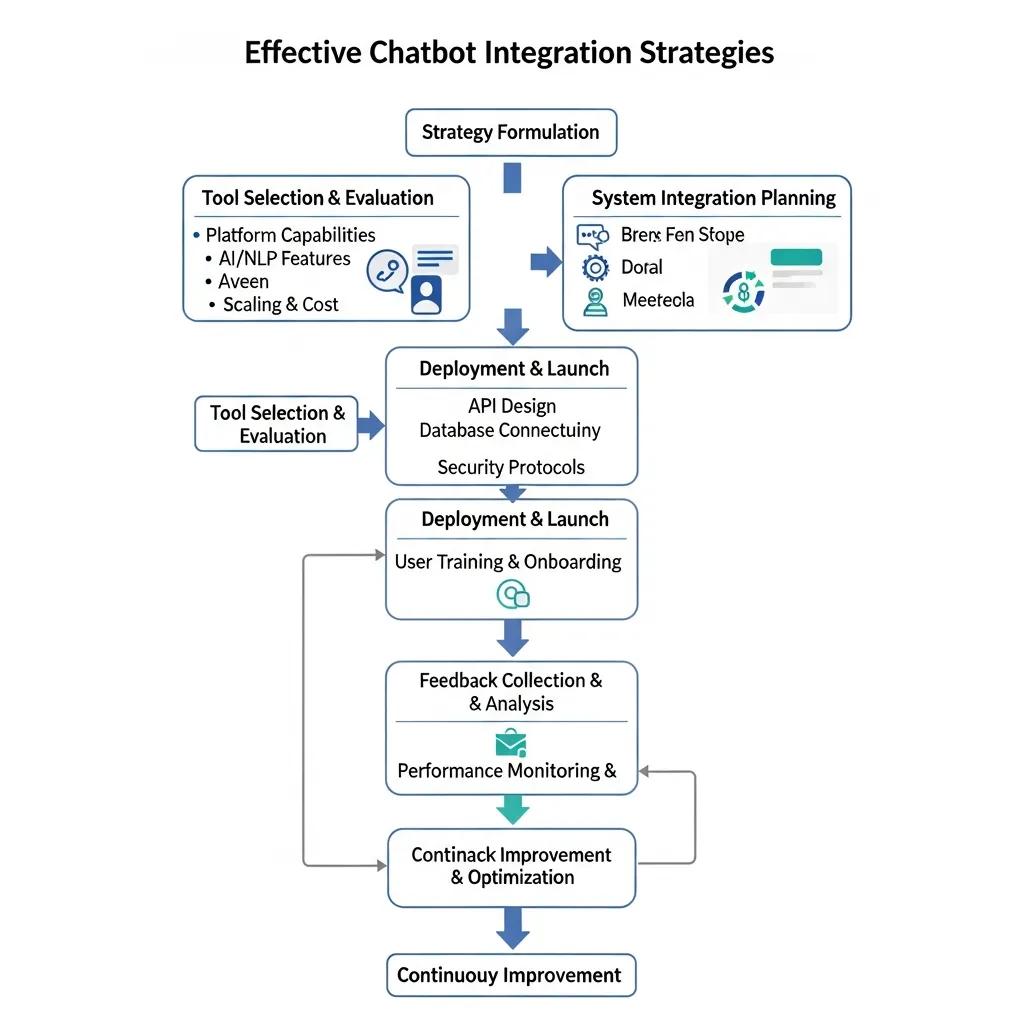
To capture the full value of chatbot integration, consider these practical strategies:
- Choose the Right Tools: Pick a robust AI chatbot platform that matches your use cases and growth plans.
- Integrate with Existing Systems: Connect chatbots to your CRM and other systems to ensure smooth data flow and consistent service.
- Collect Continuous Feedback: Regular customer feedback lets you refine bot behavior and improve outcomes over time.
Intercom offers a flexible AI chatbot platform that can be tailored to your needs, helping ensure a smooth rollout and long-term value.
Potential Impact on Customer Engagement and Service Efficiency
When implemented well, chatbots can materially improve engagement and operational efficiency. Typical impacts include:
- Enhanced Customer Engagement: Chatbots can start conversations, answer questions, and guide customers through purchase paths, increasing interaction and satisfaction.
- Increased Efficiency: Automating routine inquiries frees human agents to focus on complex issues, improving overall service throughput.
- Higher Retention Rates: Timely, relevant assistance helps keep customers satisfied and encourages repeat business.
Effective chatbot engagement contributes to stronger customer loyalty and longer-term relationships.
How Do Chatbots Improve Customer Satisfaction and Experience?
Chatbots raise satisfaction by delivering instant, context-aware replies and personalized interactions. Using AI to interpret queries, they provide accurate information quickly, cutting wait times and smoothing the customer journey. Chatbots can handle many conversations at once, so no one gets left waiting. By streamlining communication, businesses build faster, more positive customer relationships.
Research highlights how chatbots transform customer interactions by offering fast, convenient assistance when it matters most.
Chatbots: Enhancing Customer Experience & Satisfaction with Swift Assistance
This study examines the pivotal role chatbots play in improving customer experience. Positioned as providers of fast, convenient help, chatbots enable real‑time information delivery, support transactional operations, and resolve common issues efficiently. The core question is: “How do customer service chatbots influence user experience and satisfaction?”
Study of the relationship between chatbot technology and customer experience and satisfaction, 2023
What Are the Key Benefits of AI Chatbots in Customer Service?
AI chatbots bring several practical benefits to customer service, including:
- Cost Efficiency: Automating routine responses reduces support costs and reallocates human resources to higher‑value work.
- Scalability: Chatbots scale easily to handle surges in inquiries without sacrificing response quality.
- Consistency: Bots deliver consistent, accurate answers so customers receive the same level of service every time.
These advantages make AI chatbots a core component of modern customer service strategies.
How Does Personalized Chatbot Interaction Boost Customer Retention?
Personalized chatbot interactions help retention by making every customer feel understood. When bots use customer history and preferences to recommend relevant solutions, they increase the chance of repeat purchases. Follow‑ups after transactions and timely, tailored suggestions create a sense of care that strengthens loyalty. Over time, these small, personalized moments add up to long-term customer relationships.
The effect of AI‑driven personalization on loyalty and retention remains a central topic for ongoing research.
AI Chatbots: Boosting Customer Loyalty & Retention Through Personalization
By studying user satisfaction and personalization, researchers show how tailored chatbot interactions influence loyalty and retention. As more businesses adopt AI chatbots, understanding the mechanisms behind long‑term relationship effects becomes increasingly important.
Impact of AI-Driven Chatbot Interactions on Customer Loyalty and Retention, 2025
What Are the Best Practices for Chatbot Integration in E-commerce?
Successful chatbot integration in e‑commerce requires clear goals and careful execution. Best practices include:
- Define Clear Objectives: Be explicit about what you want the chatbot to achieve — support, sales, feedback collection, or another goal.
- User-Friendly Design: Design an intuitive, frictionless chat experience so customers can get help quickly and easily.
- Regular Updates and Maintenance: Keep the bot’s knowledge base current and refine responses based on real interactions.
Following these steps helps businesses implement chatbots that genuinely improve the e‑commerce experience.
How Can You Seamlessly Integrate Chatbots With Your Online Store?
Seamless integration means matching technology, voice, and workflow. Key steps include:
- Select Compatible Platforms: Pick a chatbot solution that works smoothly with your e‑commerce stack.
- Customize the Chatbot Experience: Align the bot’s tone and functionality with your brand and customer expectations.
- Test and Optimize: Run thorough tests, collect user feedback, and iterate to improve performance.
Ivis Mas’s CX Glow provides tools and support to help businesses define the best use of chatbots to improve customer satisfaction, minimizing friction during the transition.
Which Chatbot Features Drive Sales and Referral Growth?
Certain chatbot features are especially effective for driving sales and referrals:
- Product Recommendations: Bots that suggest products based on preference and behavior increase purchase likelihood.
- Promotional Offers: Sharing timely deals and discounts via chat encourages faster purchase decisions.
- Referral Programs: Enabling easy sharing and referral tracking through chat helps amplify word‑of‑mouth growth.
These capabilities not only improve the shopping experience but also boost conversions and customer acquisition.
How Can You Measure the Impact of Chatbots on Sales and Customer Loyalty?
Track a few core metrics to understand chatbot impact:
- Sales Conversion Rates: Measure how many chat interactions lead to completed purchases to evaluate effectiveness.
- Customer Retention Rates: Monitor repeat purchases to gauge the bot’s role in building loyalty.
- Customer Satisfaction Scores: Collect direct feedback on chatbot interactions to assess user satisfaction.
Focusing on these indicators gives teams clear insights into chatbot performance and ROI.
What Metrics Show Chatbot Effectiveness in Customer Retention?
To assess retention impact, track these metrics:
- Engagement Rates: How often customers start and continue conversations with the chatbot.
- Response Times: Speed of replies — faster responses usually boost satisfaction.
- Feedback Scores: Direct ratings and comments about the chatbot experience reveal improvement areas.
Together, these metrics show how well chatbots contribute to keeping customers over time.
How to Track Sales Conversion and Referral Increases From Chatbots?
Use these methods to attribute sales and referrals to chatbot activity:
- Analytics Tools: Connect chatbot logs to analytics and sales funnels to trace conversions back to conversations.
- Referral Tracking Codes: Issue unique codes for referrals generated via chat to measure performance.
- Customer Surveys: Ask customers how they found a product to capture attribution insights.
These approaches help quantify the chatbot’s contribution to sales and referral growth.
What Are the Top Chatbot Platforms for Business and Customer Experience Automation?
Several platforms stand out for automating business and customer experiences:
- Ivis Mas: An AI-powered platform focused on automating customer interactions and improving satisfaction.
- Drift: Conversational marketing tools that engage customers in real time.
- Intercom: A full messaging platform that combines chatbots with live support for sales and support use cases.
Each platform offers different strengths and can be tailored to specific business needs.
Which AI Chatbot Solutions Offer the Best Features for Service-Based Businesses?
Service businesses benefit from solutions that prioritize scheduling, support, and feedback:
- Appointment Scheduling: Bots that handle bookings reduce administrative load and no‑shows.
- Customer Support: AI chatbots manage common inquiries so staff can focus on complex cases.
- Feedback Collection: Post‑service surveys via chat capture timely insights for improvement.
These features help service operators run more efficiently while improving the customer experience.
How Do Customer Experience Automation Tools Enhance Chatbot Performance?
Customer experience automation tools boost chatbot effectiveness by:
- Integrating Customer Data: Letting bots access customer profiles enables more useful, personalized interactions.
- Streamlining Workflows: Automation routes tasks and escalations so bots and agents work together smoothly.
- Providing Analytics: Advanced reporting shows what’s working and where to optimize the chatbot.
Used together, these tools help businesses get more value from their chatbot investments.


Comments +