
It wasn’t the tech. It was the experience.
You had a great conversation. They asked all the right questions, seemed excited, and even said things like “This is exactly what I’ve been looking for.” And then? Crickets.
I see this all the time. Small business owners doing the hard work—building great offers, showing up with heart, having amazing discovery calls—and still losing clients because of one silent, sneaky gap: THE FOLLOW-UP
What we observed
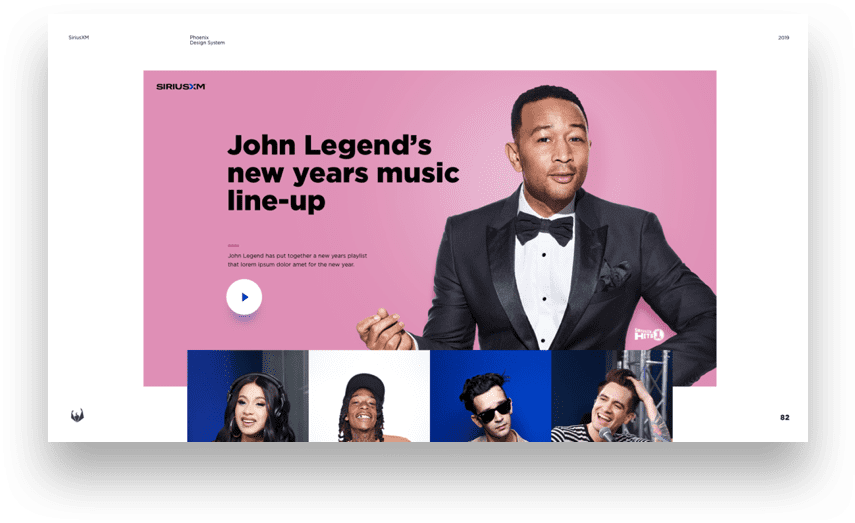
This business had grown fast—moving from one product experience (in-car) to a new one (streaming). But its customer experience hadn’t caught up.
The site was outdated, the journey unclear, and no one was looking at the full picture.
There was:
- No clear path to conversion
- No personalization based on intent or behavior
- A massive disconnect between what leadership wanted to build and what customers actually needed
Where the shift happened
Instead of starting with a wishlist of new features, we asked a different question:
What do your customers need to feel in order to move forward?
We took a CX-first approach:
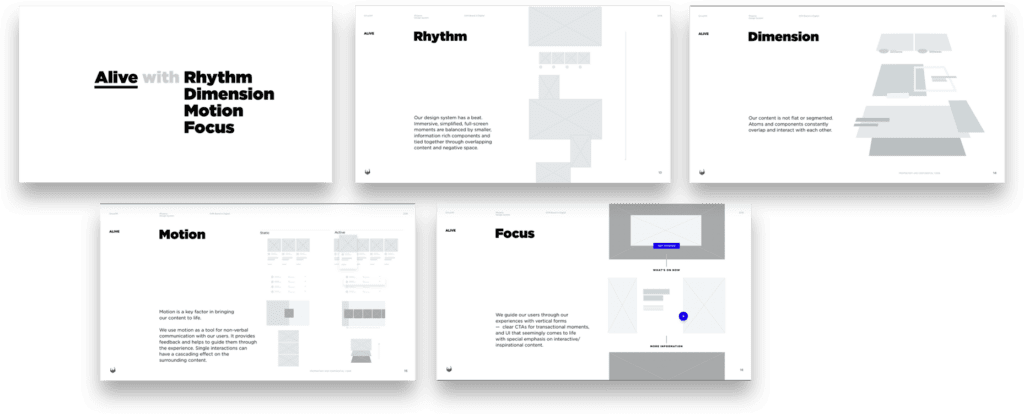
- Mapped the emotional and functional journey of different customer types
- Simplified the flow from exploration to purchase
- Built an entirely new content and design strategy around experience, not just features
- Used live content and human-led messaging to create connection, not just conversion
The payoff
- Drop-off decreased by 78%
- Conversion rose by 23%
- And most importantly? The brand finally felt like it belonged to its customer again
Leadership stopped chasing fixes and started scaling a future-ready, experience-led business.
What this means for you
If your digital journey is built on layers of legacy logic, no amount of features will fix the foundation.
Experience is the differentiator now. Ask yourself:
- Are we designing for usability or for emotion?
- Do our touchpoints guide people or overwhelm them?
- What would it look like to prioritize experience over everything else?


Comments +