

Most business owners don’t realize they’re losing customers long before a complaint lands in their inbox. The real signals live in tiny moments of confusion that quietly chip away at trust and repeat sales. When you learn to spot these hidden gaps in your customer experience, you can fix the cracks before they become cracks wide enough to lose business. Let’s look at how to find and close the CX gaps that cost you repeat customers.
Spotting Customer Confusion Signals
The journey to uncovering customer confusion begins with understanding the subtle signs that often go unnoticed. These signals can lead to a loss of repeat customers if left unaddressed.
Recognizing Silent Churn
Silent churn happens when customers quietly slip away, leaving without voicing their dissatisfaction. This lack of feedback means they simply stop engaging, making it a particularly tricky problem to detect because there are no immediate complaints or red flags. Often, by the time you realize what’s happening, it’s too late to regain their business. Therefore, it’s crucial to pay close attention to any subtle changes in customer behavior. For instance, are they ordering less frequently than they used to? Have they stopped interacting with your emails or engaging with your promotional offers? These might seem like minor shifts, but they are early warning signals. If you identify these patterns promptly, you have the opportunity to intervene strategically before they firm up their decision to leave for good. By addressing such behavior changes proactively, you can re-establish the customer’s connection with your brand and prevent the finality that comes with losing them to competitors.
Identifying Overlooked Moments
Every customer journey is filled with small interactions that might seem insignificant at first glance, yet they hold immense power in shaping the overall perception of your brand. It’s these overlooked moments that can either strengthen or weaken your relationship with your customers, ultimately influencing their loyalty and decision to return for future business. Consider the myriad touchpoints you have with your customers—from the initial inquiry to the final purchase and beyond.
Think about how you communicate with your customers. Is your tone consistent and in alignment with your brand values? Do you respond promptly and professionally, ensuring their concerns are addressed without unnecessary delays? Are your messages not only clear and helpful but also personalized to make each customer feel valued and understood? It’s crucial to assess whether you are meeting customer expectations by providing information that is accurate, timely, and easy to understand.
A delay in response or a confusing message can inadvertently create frustration, leading customers to feel undervalued or ignored, which may push them towards competitors who are more attuned to their needs. Miscommunication, no matter how small, can also contribute to a sentiment of distrust, making it vital that your customer service representatives are well-trained and empowered to resolve inquiries effectively and efficiently.
Ensuring every touchpoint is valuable means going beyond the basics to anticipate potential issues before they arise and proactively address them. This includes evaluating the clarity and user-friendliness of your website, the ease of navigating your payment systems, or the accessibility of your customer service channels. By maintaining a consistent focus on creating exceptional experiences at every stage of the customer journey, you can prevent these seemingly minor moments from chipping away at customer satisfaction, thereby fostering a stronger, more loyal customer base.
Signs in the Post-Purchase Journey
The post-purchase phase is critical in solidifying customer relationships and ensuring ongoing satisfaction. Many businesses focus heavily on completing the sale, putting significant resources into acquiring customers, but often forget about what happens afterward, missing a crucial opportunity. Once a customer has made a purchase, it should be just the beginning of a new phase in their journey with your brand. Do you have a systematic approach to follow up with customers after they complete a purchase transaction? Are you consistently asking for feedback or offering additional assistance to ensure they are having the best possible experience with your product or service? This post-purchase stage offers an invaluable chance to reinforce their decision to choose your brand over others, showing them that they are not just another transaction in your books, but a valued partner in your business. By actively engaging with your customers and seeking their input after purchase, you can identify potential issues, answer any questions they might have, and show your commitment to their satisfaction. This proactive approach can transform one-time buyers into loyal repeat customers, as they begin to associate your brand with not only high-quality products or services but also exceptional customer care.
Simple Diagnosis Techniques
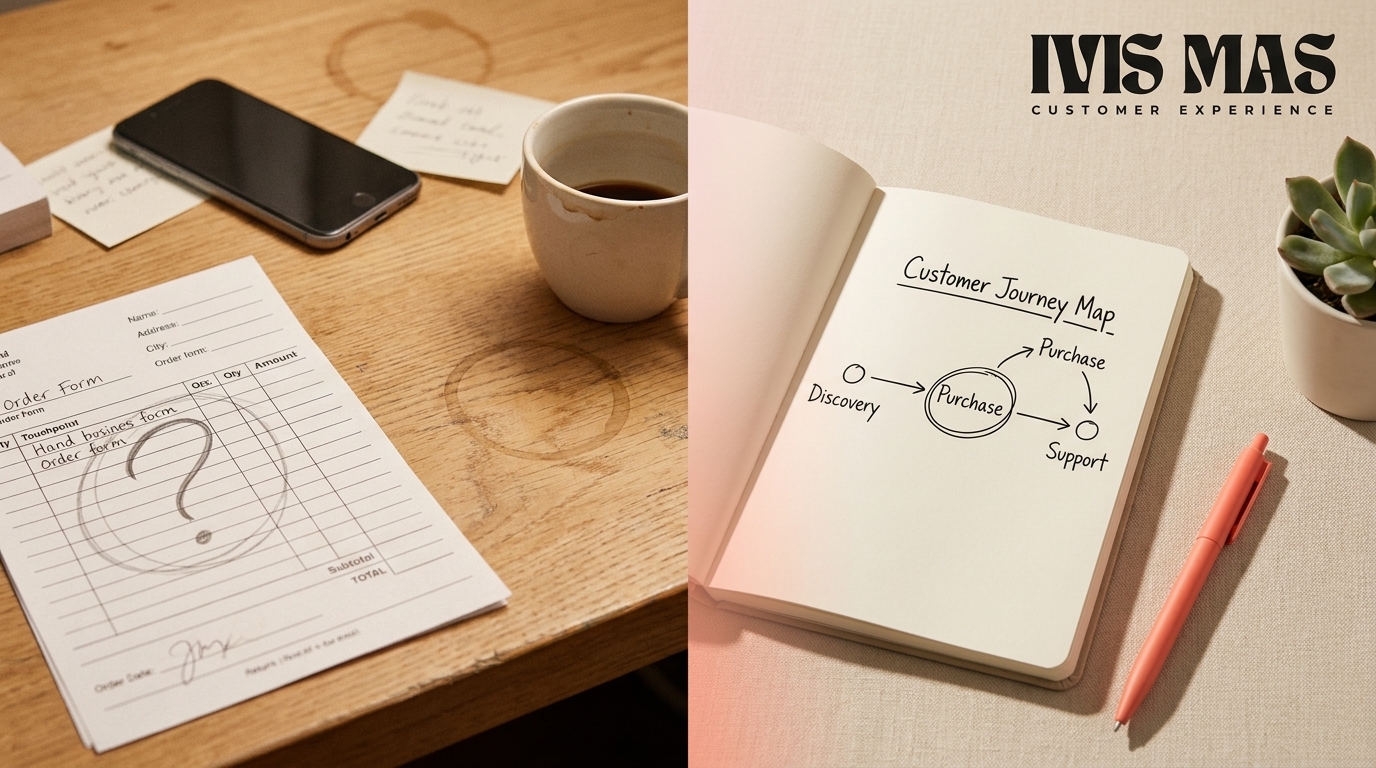
Identifying the causes of customer confusion requires practical techniques. By examining friction points, refining communication systems, and simplifying onboarding, you can diagnose and fix these issues effectively.
Analyzing Friction Points
Friction points are critical areas where your customers may encounter obstacles, resulting in unnecessary frustration that can drive them away. To effectively address these issues, begin by empathizing with your customers and walking through their journey to understand their experiences. Carefully examine the end-to-end process from their perspective and take note of any difficulties you encounter along the way. For example, consider whether your checkout process is overly lengthy or complicated, deterring customers from finalizing their purchases. Evaluate if your website suffers from slow loading times, which can lead to impatience and potential abandonment of the shopping cart. Additionally, assess whether navigation through your online platform is intuitive and user-friendly, or if customers are struggling to find the information they need. Pay close attention to any particular stages where customers seem to hesitate or backtrack. By thoroughly identifying and analyzing these friction points, you can implement targeted improvements that will streamline the experience, reduce frustration, and ultimately keep customers happy and engaged in a seamless interaction with your brand.
Crafting a Check-In System
Checking in with customers can significantly enhance their perception of your brand, making them feel valued, appreciated, and truly heard. Establish a comprehensive yet simple system to reach out at strategic intervals throughout the customer’s journey. For example, after the purchase has been made, send a personalized message a week later to inquire not only about their satisfaction with the current purchase but also if there have been any unexpected challenges in using or adapting to the product or service. This approach not only demonstrates your genuine care and investment in their experience but also creates an open channel for valuable feedback, encouraging customers to share their thoughts and experiences. Customers have a deep appreciation for businesses that invest time in building genuine, ongoing relationships rather than treating them as mere transactions. By implementing these thoughtful follow-up actions, you convey a commitment to customer satisfaction that can significantly boost loyalty, trust, and long-term engagement, fostering a loyal customer base that advocates for your brand.
Streamlining Client Onboarding
A seamless onboarding experience is crucial in establishing the foundation for a positive customer journey with your brand. It is often the customer’s first impression of your business beyond the initial purchase, making it imperative that the process is as welcoming and straightforward as possible. A streamlined onboarding process not only sets the tone but also fosters confidence and trust in your brand from the very beginning. Start by thoroughly simplifying every step to ensure that it’s intuitive and easy to follow for any new customer. Provide comprehensive, clear instructions that guide them through the initial stages of using your product or service, addressing potential obstacles they might face. Additionally, make sure to be readily available to answer any questions promptly and efficiently, demonstrating a high level of attentiveness and commitment to customer satisfaction.
Every interaction during the onboarding phase is an opportunity to reinforce your brand values and showcase the benefits of your offerings. By offering tailored guidance, you help your customers feel not only guided but also genuinely supported, enhancing their overall experience. When customers perceive that you are invested in their success from the get-go, they are much more likely to develop a sense of loyalty to your business and remain with you for the long term.
Fixing Experience for Retention

Improving customer experience isn’t just about fixing problems; it’s about implementing strategies that encourage loyalty and retention. By building referral systems, enhancing loyalty, and utilizing feedback loops, you can create a lasting impact.
Building a Referral System
An effective referral system is a cornerstone for converting satisfied customers into dedicated advocates for your brand. By tapping into the power of word-of-mouth marketing, you can significantly extend your reach and influence. Begin by offering enticing incentives, such as discounts or exclusive offers, for customers who successfully refer friends and family to your business. It’s crucial to design this process in a way that makes it seamless and straightforward for your current customers to share their positive experiences with others. Utilize social media platforms, email campaigns, and personalized referral codes to facilitate this exchange. As these referrals turn into new customer acquisitions, you’ll not only see a boost in your customer base but also foster deeper connections with your existing clientele. These relationships are reinforced when customers realize they play a critical role in your business’s growth. Moreover, offering a reward to both the referrer and the referee can enhance participation and satisfaction on both sides.
Enhancing Customer Loyalty
Customer loyalty transcends merely offering rewards; it is about establishing a genuine connection that compels customers to return. This involves understanding their needs and preferences on a deeper level, and consistently providing value that aligns with their expectations. Engage with them on a regular basis through personalized communication, such as tailored emails and messages that speak directly to their interests and past interactions. Furthermore, offer exclusive benefits that are meaningful to them, like early access to new products, special discounts, or loyalty points that can be redeemed for future purchases. When customers feel uniquely valued and appreciated, they are significantly more inclined to remain loyal to your brand. A crucial component of fostering this loyalty is maintaining consistent engagement that reinforces the customer’s decision to choose your products or services over others. By making a proactive effort to understand and respond to their evolving needs, you create an enduring bond that not only helps in retaining existing clients but also encourages them to advocate for your brand. Ultimately, persistent engagement is the cornerstone of instilling a sense of belonging and allegiance, keeping your customers faithfully coming back for more.
Implementing Feedback Loops
Feedback is a goldmine of insights, brimming with the potential to propel your business towards greater success. Implementing a robust system for collecting and analyzing customer feedback is essential in understanding and responding to the evolving needs and preferences of your customers. This system should incorporate a variety of methods, such as surveys, focus groups, and direct communication channels, to gather comprehensive insights from diverse customer segments. Utilize these tools to dive deep into your customers’ minds, uncovering their expectations, frustrations, and experiences with your products or services.
Once this valuable feedback is collected, it’s crucial to have a structured approach to analyze and prioritize the insights gained. Establish a dedicated team or designate key personnel responsible for reviewing feedback promptly and thoroughly. This process should involve identifying common themes or issues that consistently emerge across various feedback channels, enabling you to pinpoint areas for improvement.
Acting on this feedback is where true progress is made. Develop an action plan to implement changes or enhancements based on the insights gathered. It’s vital to communicate transparently with your customers about how their feedback is being utilized to drive meaningful improvements. Share updates or changes made in response to their suggestions through newsletters, social media, or personal messages, emphasizing that your business genuinely values their input.
When customers witness that their feedback leads to tangible changes and improvements in your products or services, it fosters a sense of loyalty and trust. They are more likely to remain committed to your brand, feeling valued and heard. This continuous cycle of feedback and responsive action not only enhances the customer experience but also strengthens the relationship between the customer and your brand, encouraging them to become long-term advocates.
In summary, understanding and effectively addressing customer confusion plays a pivotal role in significantly enhancing customer retention and driving sustainable growth over time. By honing in on the small but critically important moments throughout the customer journey, businesses can not only identify potential pain points but also implement strategies that resonate profoundly with their customer base. These efforts help in fostering a sense of loyalty that extends beyond transactional relationships, encouraging customers to remain engaged with your brand. By addressing these touchpoints thoughtfully and systematically, businesses are better positioned to anticipate customer needs, respond with tailored solutions, and ultimately build lasting relationships founded on mutual trust and satisfaction. With a dedicated focus on refining these vital aspects of the customer experience, organizations can ensure not only immediate improvements in satisfaction but also long-term success by cultivating a community of devoted customers who choose to return time and again.


Comments +