
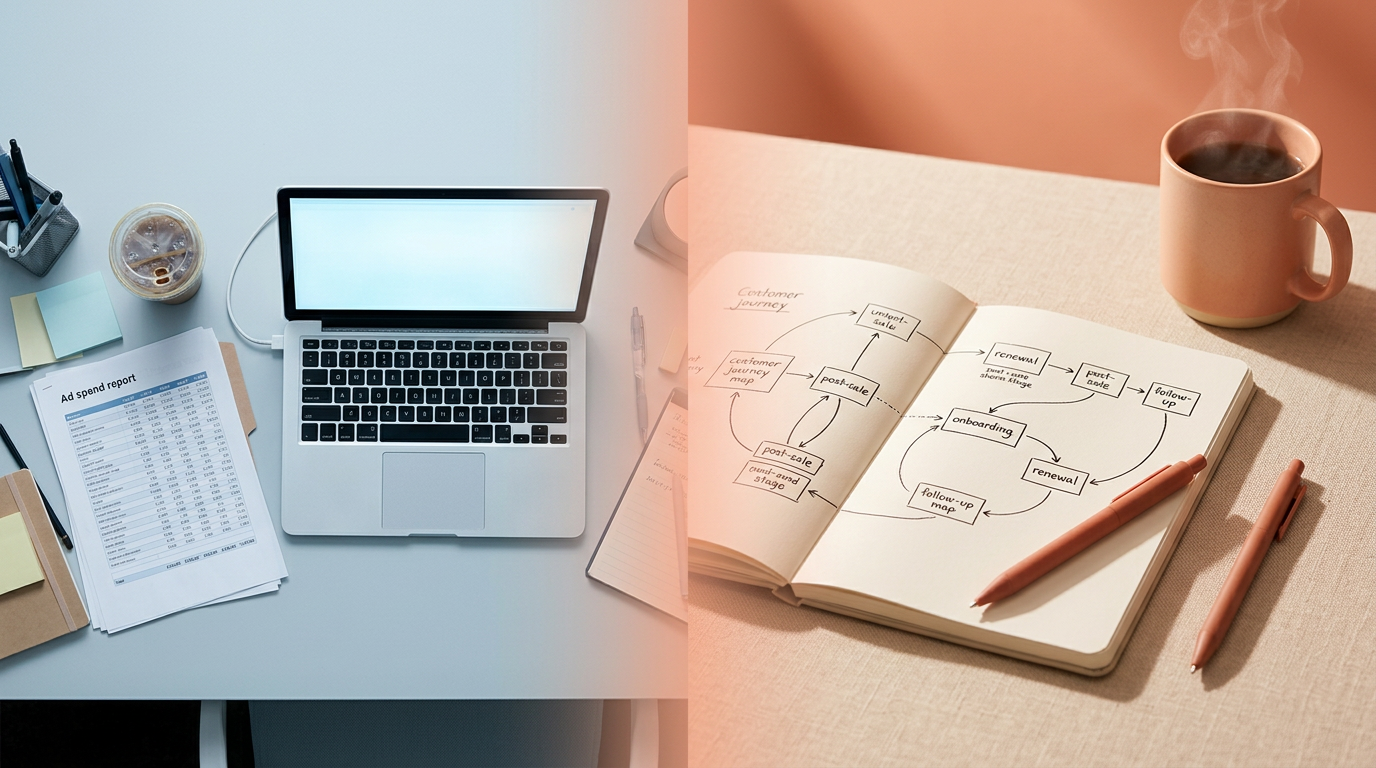
Most business owners celebrate cheap leads like trophies, but that’s only half the story. The real cost leaks out after the sale, hidden in the experience your customers get once they’ve paid. When you shift your focus to the post-purchase experience, the customer acquisition cost formula stops being just a marketing number; it becomes a clear signal of where you’re losing customers and money. Fixing those gaps turns one-time buyers into repeat revenue, referrals, and longer customer lifetimes—your fastest way to reduce CAC. Learn more about how to effectively manage your customer acquisition costs by understanding the CAC Formula.
For more insights on improving your customer experience, check out these resources on Customer Retention Metrics: The Simple Tracker That Finds Hidden Revenue This Week and discover how turnover is a CX signal you can address in our article titled Turnover Is a CX Signal: Fix the First 7 Days to Protect Loyalty. Additionally, explore Employee Retention Strategies Built In Small Moments: Onboarding, Handoffs, Follow-ups to enhance your business’s approach to customer retention and growth.
Rethink Customer Acquisition Cost
Beyond Marketing Metrics
The customer acquisition cost formula isn’t just a marketing metric. It’s a reflection of how well your business retains customers after the sale. When you focus solely on acquiring new leads, you might be missing the bigger picture. It’s about what happens after a customer says “yes.”
The Retention and Referral Impact
Retention and referrals play a crucial role in reducing your customer acquisition costs. They transform your current customers into loyal fans who not only keep coming back but also bring in new business. This cycle of loyalty and referral builds momentum, leading to lower acquisition costs over time.
Post-Sale Experience Essentials

Tighten Onboarding Sequence
An effective onboarding sequence sets the stage for a positive post-sale experience. A well-structured onboarding process ensures that new customers feel supported and informed from the start. This reduces confusion and builds trust. By delivering clear, concise information, you guide customers smoothly into your ecosystem.
A strong onboarding sequence involves more than just sending a welcome email. It’s about engaging customers at key moments, answering their questions, and providing value that reinforces their decision to choose your business. When customers feel valued and understood, they’re more likely to stick around and eventually become advocates for your brand.
Follow-Up and Recovery Systems
Following up with customers isn’t just a courtesy—it’s a necessity. A robust follow-up system keeps the lines of communication open and helps address any concerns before they escalate. Regular check-ins show customers that you care about their experience and satisfaction.
Recovery systems are equally important. Mistakes happen, but how you handle them can make or break customer relationships. A well-prepared recovery plan reassures customers that you’re committed to resolving issues promptly. This commitment to service recovery builds trust and loyalty, turning potential detractors into brand advocates.
Practical Steps to Lower CAC

Identify Hidden Loss Points
One of the fastest ways to lower your customer acquisition cost is by identifying where you’re losing customers. These hidden loss points often lie within the customer journey. Analyze touchpoints, gather feedback, and look for patterns that indicate where customers might be falling off.
By pinpointing these loss points, you can implement targeted improvements. Whether it’s refining your communication strategy or enhancing the post-purchase experience, addressing these areas can significantly impact retention and reduce your CAC.
Build a Referral Engine
Creating a referral engine leverages your current customers to bring in new ones. Encourage satisfied customers to share their positive experiences with others. This can be achieved through referral incentives, loyalty programs, or simply by asking for feedback and testimonials.
A referral engine not only brings in new business but also strengthens your relationship with existing customers. When customers feel valued and appreciated, they’re more likely to refer others to your business. This organic growth strategy can significantly reduce your customer acquisition costs in the long run.
Frequently Asked Questions
What is the customer acquisition cost formula?
The customer acquisition cost formula calculates the cost of acquiring a new customer. It’s the total sales and marketing expenses divided by the number of new customers acquired. This metric helps businesses understand the efficiency of their acquisition strategies.
How can I reduce my customer acquisition cost?
To reduce your customer acquisition cost, focus on improving the customer experience post-sale. This includes refining your onboarding process, implementing effective follow-up and recovery systems, and building a referral engine to encourage word-of-mouth marketing.
Why is customer retention important for lowering CAC?
Customer retention is crucial because retaining existing customers is generally more cost-effective than acquiring new ones. Loyal customers not only continue to generate revenue but also refer others, which reduces the need for expensive marketing campaigns.
What role does a referral engine play in CAC reduction?
A referral engine involves leveraging satisfied customers to bring in new ones. By encouraging word-of-mouth marketing, you can acquire new customers at a lower cost, thus reducing your overall customer acquisition expenses.
How can I improve my onboarding sequence?
To improve your onboarding sequence, start by providing clear and concise information to new customers. Engage them through personalized welcome messages, tutorials, and guides. Ensure that they feel supported and valued from the moment they join your business.


Comments +